
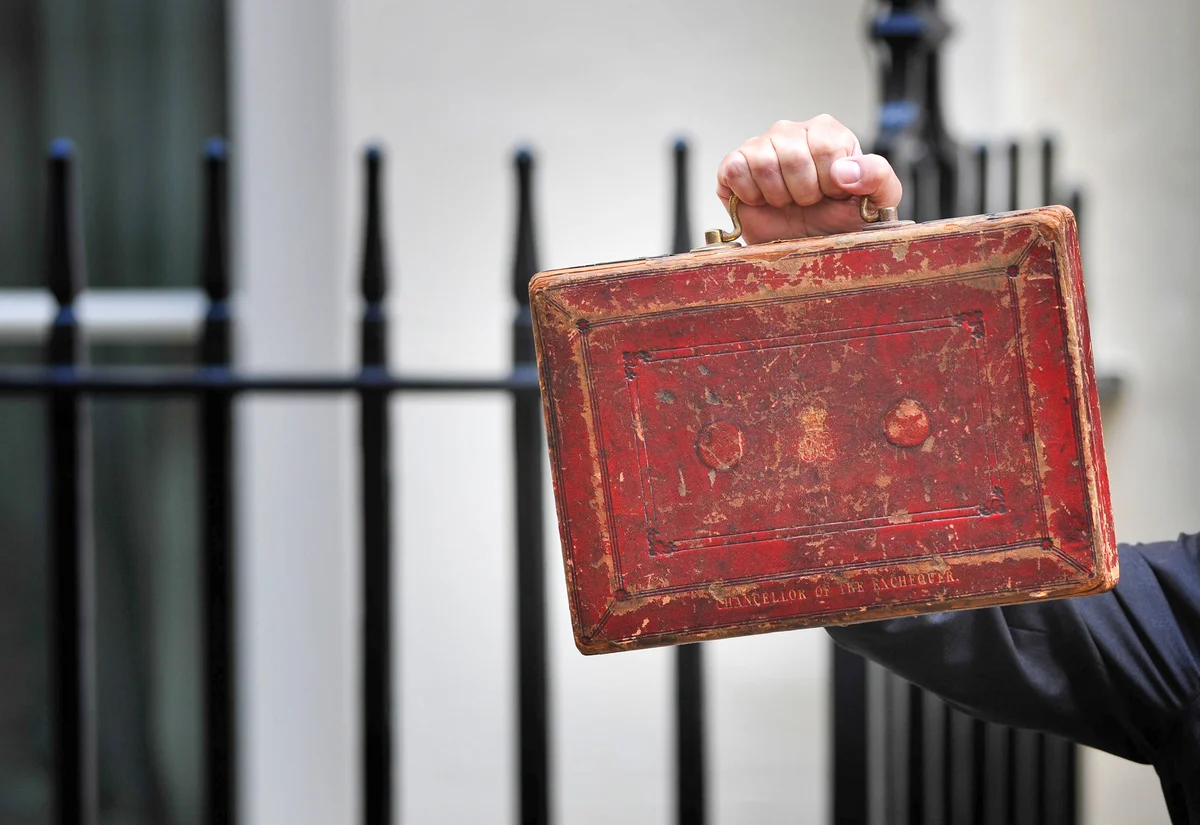
Everyone was watching the Budget. In the end, it was a non-event for the pound.
The real test comes next Thursday, 5th November, when the Bank of England announces its interest rate decision. Meanwhile, the European Central Bank has held rates, its President has announced she is leaving, and the US Federal Reserve has kept the door open to another rise.
The Budget: no shock, but hard choices still ahead
Chancellor John Healey’s first Budget avoided broad tax rises, with targeted increases on banks and gambling instead. To make the numbers work, he used up part of the government’s “headroom”, the buffer it keeps against its own borrowing rules. That buffer fell from around £24bn in March to £15bn for 2029-30.
Government borrowing came in broadly in line with expectations, and markets took it calmly. Yields on UK government bonds (gilts), which show what it costs the government to borrow, edged lower, and the pound barely moved. In simple terms, investors saw nothing that changed their view of the UK’s finances.
That doesn’t mean the pressure has gone. A smaller buffer leaves less room for future shocks, and the bigger spending decisions have been pushed back to next year. For now, though, the Budget is off the pound’s list of worries.
The pound vs the euro: strong, but how much further?
The pound is trading at its strongest levels against the euro in well over a year. Two things have driven it: worries about France’s finances, which have weighed on the euro, and expectations that UK interest rates will rise.
Views are split on what comes next. Some major banks think the run may slow. Barclays points out that many investors are already betting on a stronger pound, which leaves fewer new buyers to push it higher, and Goldman Sachs’ models suggest the pound looks expensive against the euro. Others, including Pound Sterling Live, expect the pound to stay supported into the year end, with any dips likely to be shallow.
Neither view means a sharp move is coming. Currencies can stay strong for longer than expected, but further gains are likely to need a fresh reason.
The ECB: holding for now, with Lagarde on her way out
The ECB kept its deposit rate, its main policy rate, unchanged at 2.5%. It is weighing two risks: higher energy prices pushing up inflation, and higher borrowing costs slowing the economy.
Lagarde said the decision was unanimous and the direction of travel is clear, but the ECB didn’t commit to raising rates in December. If expectations of a December rise build, that could support the euro.
France remains a pressure point. Investors are demanding a much higher return to lend to France than to Germany, a sign of how concerned they are about its finances.
Lagarde also announced she will step down on 7th February 2027, around nine months early, and the search for her successor is already under way. A new president doesn’t automatically mean new policy, but it adds another uncertainty for the euro, alongside next year’s French election.
The Fed: paused, but not finished
The US Federal Reserve held interest rates at 3.75% to 4.00%, with two of its twelve voting members wanting a rise.
The dollar softened after Fed Chair Kevin Warsh avoided committing to a December increase, which helped the pound recover some ground. A December rise is still seen as the most likely outcome, and upcoming US inflation, jobs and growth figures will help determine the dollar’s next move.
Why the Bank of England matters most
The Bank of England announces its decision at 12 noon on 5th November, along with new forecasts. Interest rates currently stand at 3.75%, and a rise is widely expected.
Here’s the key point. When markets expect a rate rise, it is already reflected in the exchange rate, or “priced in”. So the pound may react less to the decision itself and more to what the Bank says about what comes next:
- If it signals more rises than expected, the pound could get a further boost.
- If it matches expectations, the reaction may be limited.
- If it sounds more cautious, for example with more members voting to hold, or forecasts suggesting fewer rises are needed, the pound could fall back, especially against the euro after its strong run.
That’s why the vote and the forecasts matter as much as the decision.
What this means for your currency payments
The pound still has support, particularly against the euro, but next week’s decision could move it either way.
What this means for your currency payments
The pound still has support, particularly against the euro, but next week’s decision could move it either way.
- Businesses buying euros have seen their pounds go further in recent weeks. Some may wish to consider whether securing part of an upcoming payment at current levels fits their budget.
- Businesses buying dollars also have US data to watch, which could move the rate regardless of the Bank of England.
- Businesses receiving euros or dollars get fewer pounds when sterling is strong, so a fall in sterling against the currency they receive would work in their favour.
Some businesses may find this a useful moment to review their upcoming payments and budget rates.
Frequently asked questions
When is the next Bank of England interest rate decision?
Thursday 5th November 2026 at 12 noon UK time, alongside the Bank’s latest economic forecasts.
Does a Bank of England rate rise always strengthen the pound?
Not always. If a rise is already expected, the pound may react more to what the Bank signals about future rises than to the decision itself.
Why is the euro under pressure?
Partly because of concerns over France’s public finances, which have pushed up its borrowing costs, and partly because UK interest rates are expected to rise further than eurozone rates. Markets are also watching who succeeds Christine Lagarde at the ECB, and next year’s French election.
How do businesses manage currency risk around big announcements?
Some businesses fix exchange rates for future payments using forward contracts, which lock in a rate today for a payment at a later date. Others spread their currency purchases over time. The right approach depends on each business’s circumstances.