
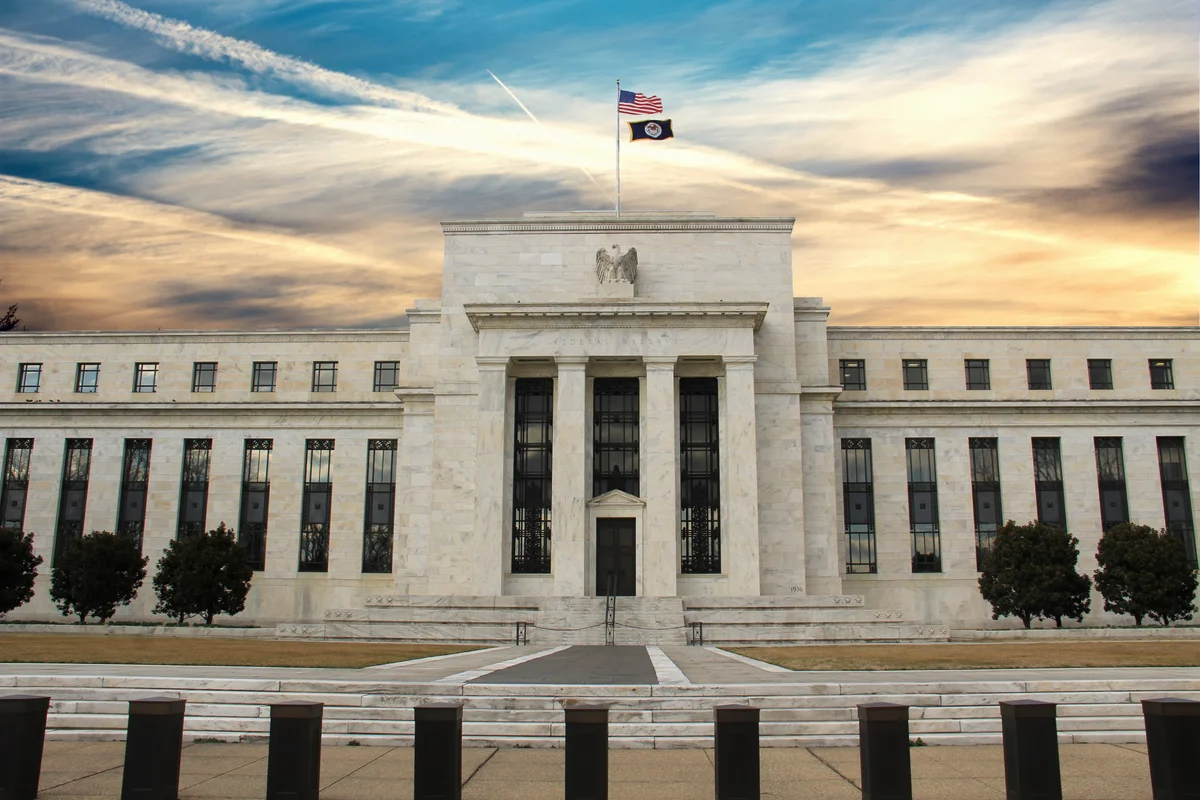
Strong US jobs and inflation figures have reversed the post-midterm sell-off, and markets now see a December Fed rise as close to certain.
The Pound has given back its post-rate-rise gains against the Dollar
The Euro fell to its lowest against the Dollar this year and the Canadian Dollar is under pressure.
The Pound has given back its post-rate-rise gains against the Dollar
The Euro fell to its lowest against the Dollar this year and the Canadian Dollar is under pressure.
Why the Dollar has bounced back
A week ago, the Dollar was on the back foot after the Democrats won both houses of Congress. Two US releases have since lifted it to a 19-month high against a basket of major currencies.
October payrolls rose by 165,000, against a Reuters consensus of 65,000, and unemployment edged down to 4.1%. Then consumer prices rose 0.4% on the month, ahead of the 0.3% forecast. Core prices, which exclude food and energy, rose 0.3% against a 0.2% forecast, the third upside surprise in a row.
Markets now see a December Fed rise as close to certain, and Fed Governor Christopher Waller had already raised the possibility of a half-point move. Two-year US Treasury yields jumped after the inflation release, drawing money back into the Dollar.
A sell-off in US technology shares added to the Dollar’s appeal as a safe haven.
The Pound has given back its gains against the Dollar
The Bank of England raised rates last week. In the minutes, Chief Economist Huw Pill said a single rise was unlikely to be enough. Deputy Governor Clare Lombardelli subsequently said there could be a case for another rise. The UK economy also grew 0.7% in the third quarter, its strongest quarter since early 2024, with September stronger than expected.
Even so, Sterling has slipped below where it traded against the Dollar before the decision. UK rate expectations still support the Pound, but the US data has lifted expectations for the Fed even more.
GBP/EUR Sterling remains close to its late-October high against the Euro, supported by UK rate expectations. Falling European gas prices could help the Euro recover some ground, raising the cost of Euro payments for UK buyers.
The Euro hits a fresh low for the year
The Euro hits a fresh low for the year
The Euro fell to its lowest against the Dollar this year after the US inflation release.
The ECB held rates in October and warned that higher energy prices could push inflation up. A December rise remains in play, with ECB Chief Economist Philip Lane saying this week that it may be needed. France’s budget troubles continue to weigh on the Euro. The National Assembly rejected the 2027 budget at first reading, and the Senate is due to begin debating it on 20th November. Fitch has also revised France’s credit outlook to negative.
The Canadian Dollar is under pressure from both sides
The Canadian Dollar’s early-November gains have unwound. Canada shed 4,700 jobs in October, its third monthly decline in a row, and unemployment rose to a six-month high of 6.7%. That has cooled expectations of a second Bank of Canada rise in December.
Cheaper oil has also weighed on CAD, but the shift in US and Canadian rate expectations appears to have been the bigger driver. Canadian inflation on 16th November is the next test.
Dates to watch
16th November Canadian inflation.
18th November UK inflation at 7am and the Fed’s October meeting minutes at 7pm, UK time.
25th November US PCE inflation, the Fed’s preferred measure.
9th December Federal Reserve and Bank of Canada decisions.
If you’d like to talk through how these moves could affect an upcoming payment, please get in touch.