
Opening Market Overview
The US dollar is on track to record its strongest weekly performance in several months, marking a notable shift in short-term currency positioning across the G10 complex. This week’s move has not been driven by a single catalyst, but rather a convergence of macroeconomic resilience, central bank repricing, rising bond yields and geopolitical risk. Together, these forces have forced markets to reassess earlier expectations for near-term Federal Reserve easing.
As a result, currencies that had benefited from prior dollar weakness, particularly the euro and pound, have retreated toward the lower end of recent trading ranges.
Federal Reserve Tone Shifts More Cautious
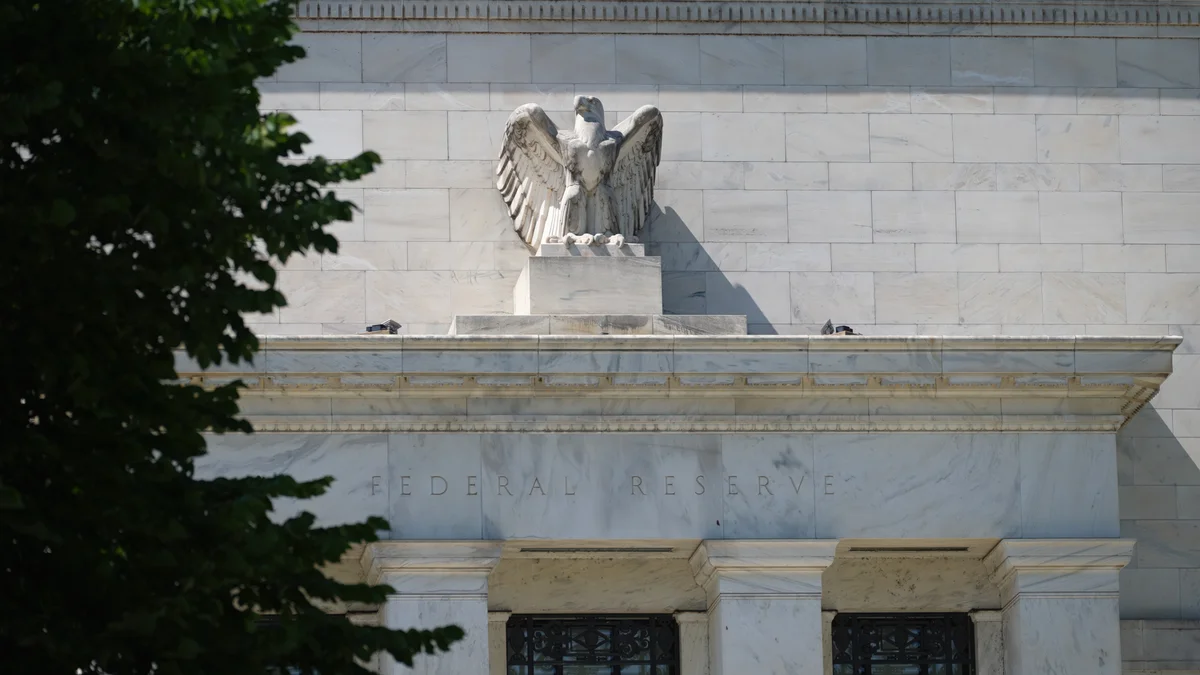
A key driver behind the dollar’s recovery has been a subtle but important shift in Federal Reserve communication. Minutes from the latest FOMC meeting revealed policymakers remain divided on the rate outlook. While cuts are still expected longer term, several members indicated they would remain open to further tightening should inflation prove persistent. This reintroduction of “two-way rate risk” has pushed back expectations for policy easing and reinforced a higher-for-longer interest rate narrative. Markets that had been positioned for a steady path toward cuts have been forced to reprice that view, supporting the dollar in the process.
US Economic Data Reinforces Resilience Narrative
Recent US economic releases have strengthened the case for policy patience. Labour market indicators, including lower-than-expected jobless claims, continue to signal employment stability rather than deterioration. Growth-sensitive data across housing, production and investment has also surprised to the upside. This combination reduces the urgency for Federal Reserve easing and reinforces the perception that the US economy continues to outperform developed peers. For currency markets, resilient growth alongside restrictive policy is typically dollar supportive.
Yield Repricing Adds Mechanical USD Support
Bond markets have responded quickly to this macro repricing. US Treasury yields have rebounded from recent lows, with the 10-year yield holding near the 4.10 percent region while the 2-year yield has stabilised as rate cut expectations have been pushed further out. Rising yields increase the attractiveness of dollar-denominated assets, encouraging capital inflows and providing mechanical support for the currency. Yield differentials versus Europe and the UK have widened modestly, reinforcing the dollar’s relative advantage.
Geopolitical Risk Adds Safe-Haven Demand
Geopolitical developments have layered additional strength onto the dollar’s recovery. Rising tensions between the United States and Iran have injected a risk-off tone into global markets. Safe-haven flows have supported the dollar alongside traditional yield drivers, particularly into weekend risk windows. Historically, geopolitical escalation tends to favour the dollar regardless of where the conflict originates, and this week has followed that pattern.
EUR/USD Tests Key Technical Support
Against this backdrop, EUR/USD has drifted lower, with price action now approaching an important technical support zone. The pair is testing its 100-day moving average, currently sitting in the 1.1685 to 1.1695 region. This level is widely tracked by macro and systematic funds and often acts as a structural support marker within broader uptrends. Whether this level holds will depend heavily on incoming US inflation data.
Inflation Focus: Why Today’s PCE Matters
Markets now turn their attention to the Core PCE inflation release, the Federal Reserve’s preferred measure of price pressures. This data carries significant policy implications. If inflation proves sticky, expectations for rate cuts may be pushed further out, allowing yields and the dollar to extend higher. In that scenario, EUR/USD could break below the 100-day moving average, signalling deeper corrective downside. Conversely, evidence of cooling inflation would reinforce the disinflation narrative, potentially weakening the dollar and allowing EUR/USD to stabilise or rebound from technical support. The inflation outcome therefore represents a key directional catalyst into month-end positioning.
Sterling Reaction | Domestic Support Meets USD Strength
While the dollar has strengthened broadly, sterling’s performance has been more mixed. The pound has held relatively steady against the euro but has ceded ground to the dollar, reflecting USD strength rather than outright GBP weakness.
UK Retail Sales Surprise to the Upside
Recent UK data provided a supportive backdrop for sterling. Retail sales rose 1.8 percent year-on-year in January, significantly outperforming expectations for just 0.2 percent growth. The upside surprise is particularly notable given poor weather conditions during the month, which typically dampen consumer activity. The data suggests underlying demand remains resilient and reduces the urgency for aggressive Bank of England easing in the near term.
Fiscal Position Offers Additional GBP Support
UK public finances also delivered a positive surprise. January recorded a larger-than-expected fiscal surplus, with borrowing running below official forecasts. Lower funding requirements reduce gilt issuance pressure and are generally supportive for sterling sentiment via the rates and bond channel. While monthly fiscal data can be volatile, the release helped stabilise the pound following a choppier trading period.
BoE Policy Expectations Still Tilt Dovish
Despite these supportive data points, broader monetary policy expectations continue to lean toward easing. Markets are still pricing a Bank of England rate cut in the coming months, driven by:
UK Retail Sales Surprise to the Upside
Recent UK data provided a supportive backdrop for sterling. Retail sales rose 1.8 percent year-on-year in January, significantly outperforming expectations for just 0.2 percent growth. The upside surprise is particularly notable given poor weather conditions during the month, which typically dampen consumer activity. The data suggests underlying demand remains resilient and reduces the urgency for aggressive Bank of England easing in the near term.
Fiscal Position Offers Additional GBP Support
UK public finances also delivered a positive surprise. January recorded a larger-than-expected fiscal surplus, with borrowing running below official forecasts. Lower funding requirements reduce gilt issuance pressure and are generally supportive for sterling sentiment via the rates and bond channel. While monthly fiscal data can be volatile, the release helped stabilise the pound following a choppier trading period.
BoE Policy Expectations Still Tilt Dovish
Despite these supportive data points, broader monetary policy expectations continue to lean toward easing. Markets are still pricing a Bank of England rate cut in the coming months, driven by:
- Softening labour market conditions
- Cooling wage growth
- Gradual disinflation trends
This keeps sterling sensitive to downside repricing, particularly against a strengthening dollar.
GBP Cross Performance Reflects USD Dominance
Cross-market price action reinforces this dynamic. GBP/EUR has remained relatively stable, supported by the UK data surprises and improved fiscal backdrop. GBP/USD, however, has weakened, highlighting that dollar strength, rather than sterling fragility alone, is the dominant driver of recent FX moves.
Lamera View | Tactical Dollar Strength, Data-Dependent Outlook
This week’s dollar recovery has been driven by a powerful convergence of factors:
- Resilient US economic data
- A more cautious Federal Reserve tone
- Rising Treasury yields
- Geopolitical safe-haven demand
- Positioning adjustments
At the same time, sterling has found selective domestic support through stronger retail sales and improved fiscal data, even as broader easing expectations cap upside momentum.
EUR/USD now sits at a technically significant inflection point near its 100-day moving average, with US PCE inflation likely to determine whether that support holds or gives way.
For businesses managing currency exposure, this environment reinforces the importance of timing around inflation and policy catalysts rather than assuming directional continuation.
Volatility has returned to the dollar narrative, but its durability will ultimately be decided by inflation confirmation and the evolution of rate expectations into the second quarter.